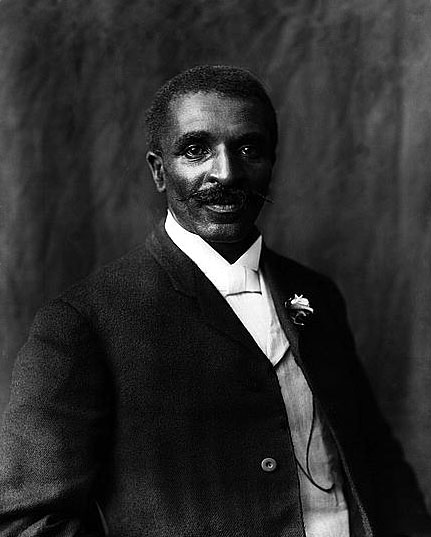

| George Washington Carver January, 1864 – January 5, 1943 Was an American scientist, botanist, educator, and inventor. The exact day and year of his birth are unknown; he is believed to have been born into slavery in Missouri in January 1864. Carver's reputation is based on his research into and promotion of alternative crops to cotton, such as peanuts, soybeans and sweet potatoes, which also aided nutrition for farm families. He wanted poor farmers to grow alternative crops both as a source of their own food and as a source of other products to improve their quality of life. The most popular of his 44 practical bulletins for farmers contained 105 food recipes using peanuts.[4] He also developed and promoted about 100 products made from peanuts that were useful for the house and farm, including cosmetics, dyes, paints, plastics, gasoline, and nitroglycerin. He received numerous honors for his work, including the Spingarn Medal of the NAACP. |
| Buffalo Bill Cody William Frederick "Buffalo Bill" Cody February 26, 1846 – January 10, 1917 Was an American soldier, bison hunter and showman. He was born in the Iowa Territory (now the U.S. state of Iowa), in Le Claire but lived several years in Canada before his family moved to the Kansas Territory. Buffalo Bill received the Medal of Honor in 1872 for service to the US Army as a scout. One of the most colorful figures of the American Old West, Buffalo Bill became famous for the shows he organized with cowboy themes, which he toured in Great Britain and Europe as well as the United States. |
| FAMOUS & INFAMOUS AMERICANS |

| ABOUT THESE PHOTOS: These Photos Have Been Restored to Their Original Brillance by the SteelCactus Foundation. |

Photo Antiquities Museum of Pittsburg
| 531 East Ohio Street Pittsburgh, PA 15212 (412) 231-7881 |
| THE ONLY MUSEUM LIKE IT IN THE U.S.! |
See photos like this in their original form!
Plus the largest collection of cameras anywhere!
Plus the largest collection of cameras anywhere!


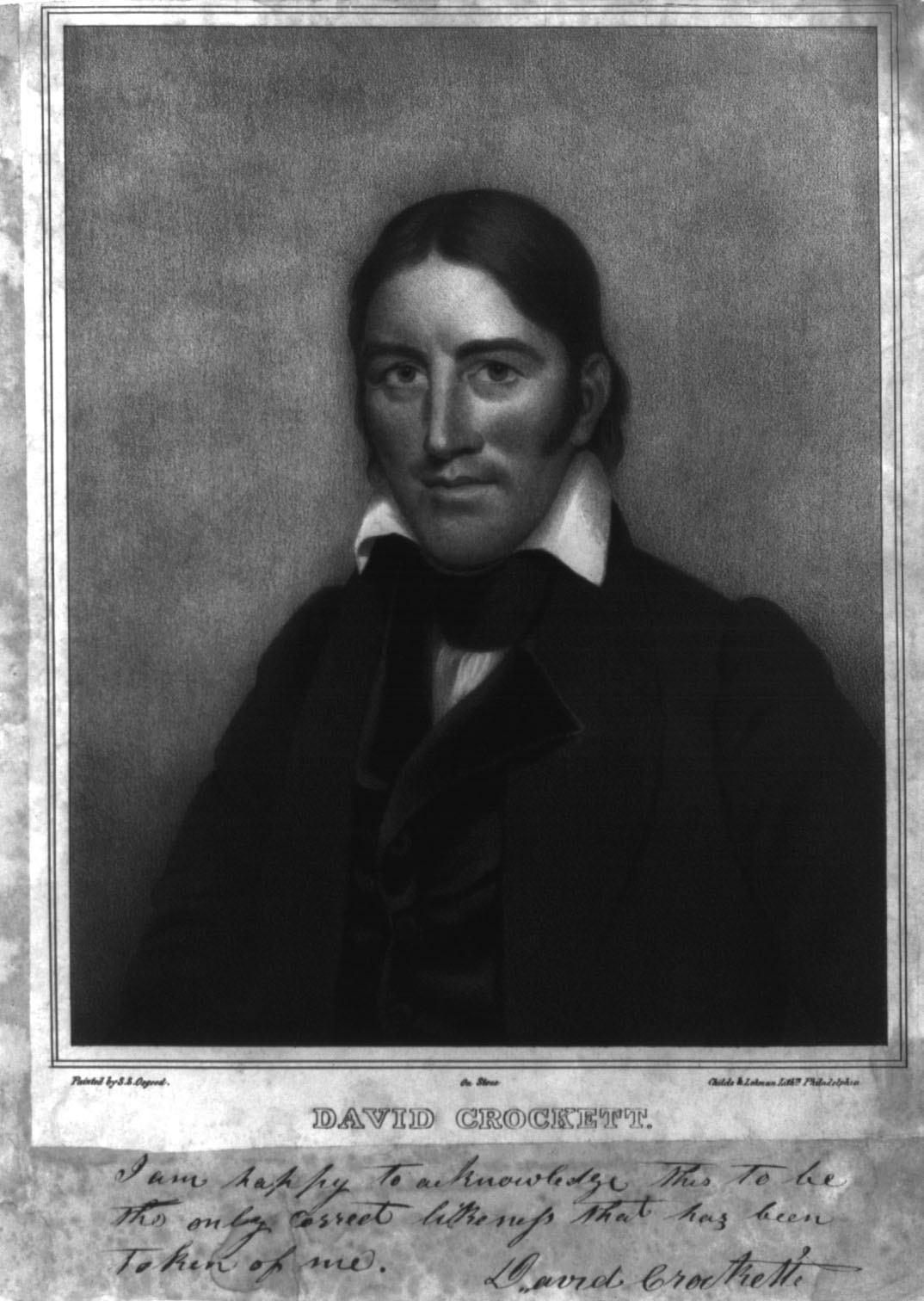
| Davy Crockett August 17, 1786 – March 6, 1836 Was a 19th-century American folk hero, frontiersman, soldier and politician. He is commonly referred to in popular culture by the epithet "King of the Wild Frontier". He represented Tennessee in the U.S. House of Representatives, served in the Texas Revolution, and died at the Battle of the Alamo. |
| George Armstrong Custer December 5, 1839 – June 25, 1876 Was a United States Army officer and cavalry commander in the American Civil War and the Indian Wars. Raised in Michigan and Ohio, Custer was admitted to West Point in 1858, where he graduated last in his class. However, with the outbreak of the Civil War, all potential officers were needed, and Custer was called to serve with the Union Army. After the Civil War, Custer was dispatched to the west to fight in the Indian Wars. His disastrous final battle overshadowed his prior achievements. Custer and all the men with him were killed at the Battle of the Little Bighorn in 1876, fighting against a coalition of Native American tribes in a battle that has come to be popularly known in American history as "Custer's Last Stand." |
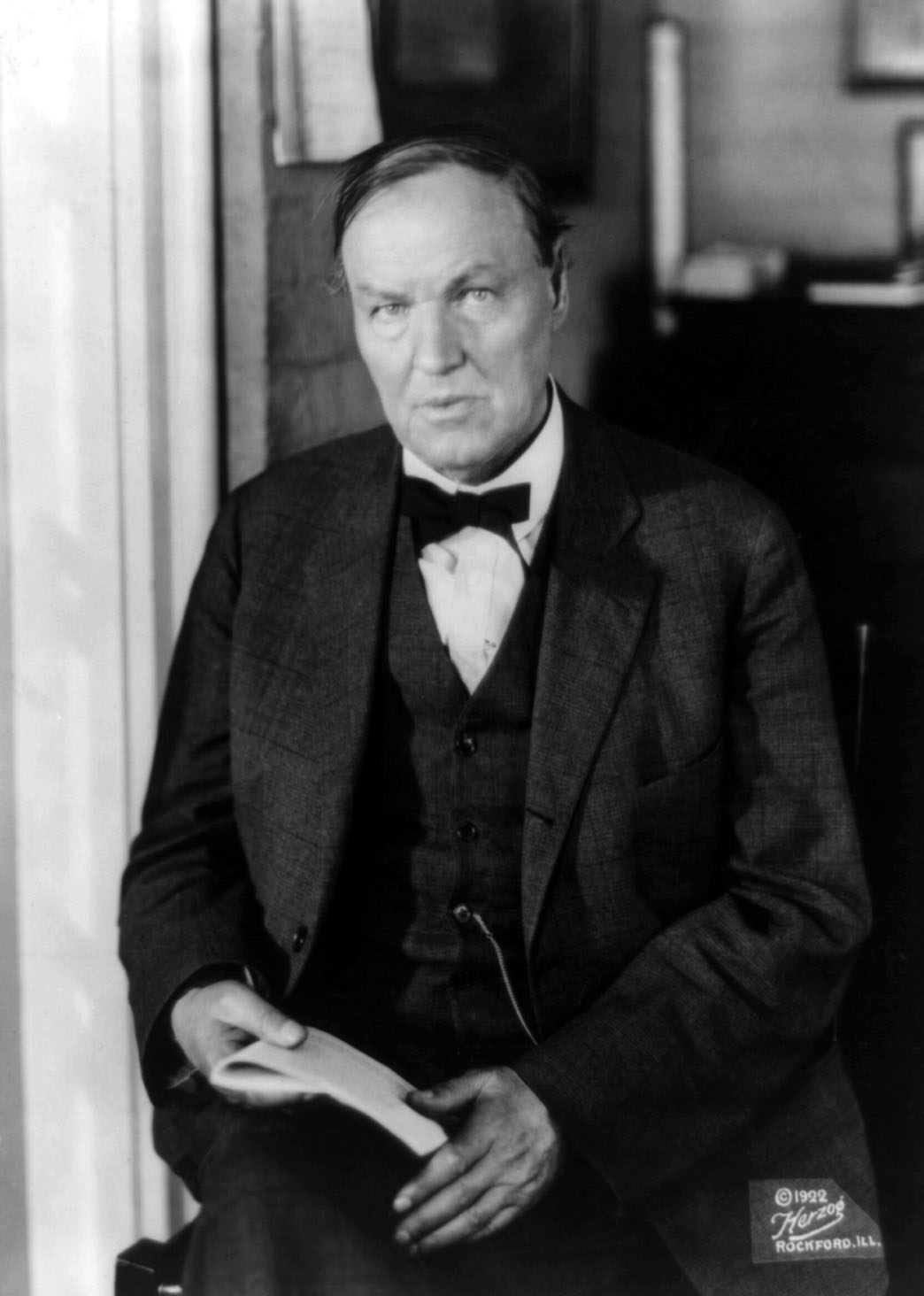
| Clarence Darrow April 18, 1857 – March 13, 1938 Was an American lawyer and leading member of the American Civil Liberties Union, best known for defending teenage thrill killers Leopold and Loeb in their trial for murdering 14-year-old Robert "Bobby" Franks (1924), for defending Ossian Sweet, and defending John T. Scopes in the Scopes "Monkey" Trial (1925), in which he opposed William Jennings Bryan (statesman, noted orator, and 3-time presidential candidate). Called a "sophisticated country lawyer", he remains notable for his wit and agnosticism, which marked him as one of the most famous American lawyers and civil libertarians. |