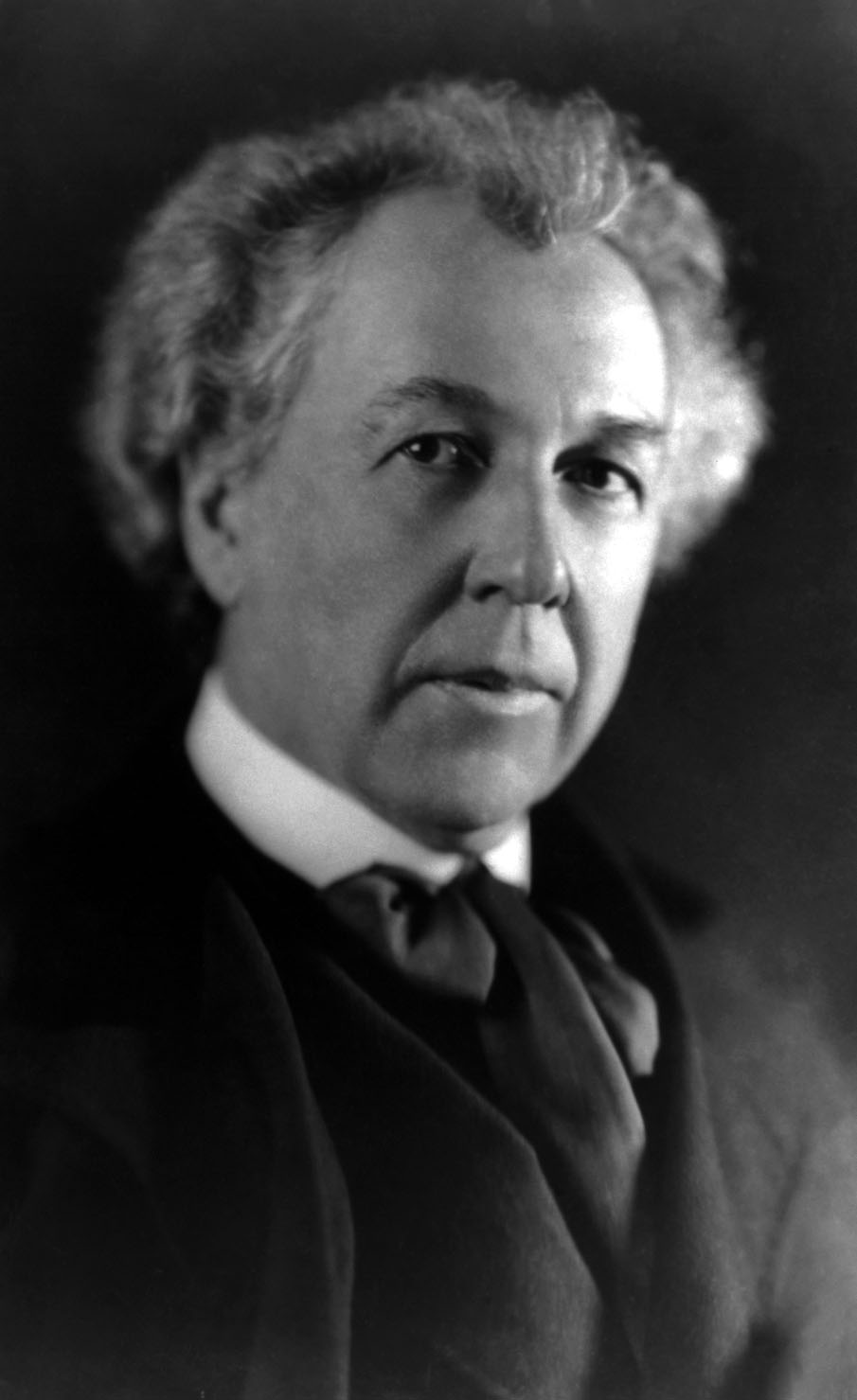

| Frank Lloyd Wright June 8, 1867 - April 9, 1959 Was an American architect, interior designer, writer and educator, who designed more than 1,000 structures and completed 532 works. Wright believed in designing structures which were in harmony with humanity and its environment, a philosophy he called organic architecture. This philosophy was best exemplified by his design for Fallingwater (1935), which has been called "the best all-time work of American architecture". Wright was a leader of the Prairie School movement of architecture and developed the concept of the Usonian home, his unique vision for urban planning in the United States. His work includes original and innovative examples of many different building types, including offices, churches, schools, skyscrapers, hotels, and museums. Wright also designed many of the interior elements of his buildings, such as the furniture and stained glass. Wright authored 20 books and many articles and was a popular lecturer in the United States and in Europe. His colorful personal life often made headlines, most notably for the 1914 fire and murders at his Taliesin studio. Already well known during his lifetime, Wright was recognized in 1991 by the American Institute of Architects as "the greatest American architect of all time." |
| Daniel Webster January 18, 1782 - October 24, 1852 Was a leading American statesman and senator from Massachusetts during the period leading up to the Civil War. He first rose to regional prominence through his defense of New England shipping interests. Webster's increasingly nationalistic views, and his effectiveness as a speaker, made him one of the most famous orators and influential Whig leaders of the Second Party System. He was one of the nation's most prominent conservatives, leading opposition to Democrat Andrew Jackson and the Democratic Party. He was a spokesman for modernization, banking and industry, but not for the common people who composed the base of his enemies in Jacksonian Democracy. "He was a thoroughgoing elitist, and he reveled in it," says biographer Remini. During his 40 years in national politics, Webster served in the House of Representatives for 10 years (representing New Hampshire), in the Senate for 19 years (representing Massachusetts), and was appointed the Secretary of State under three presidents. |
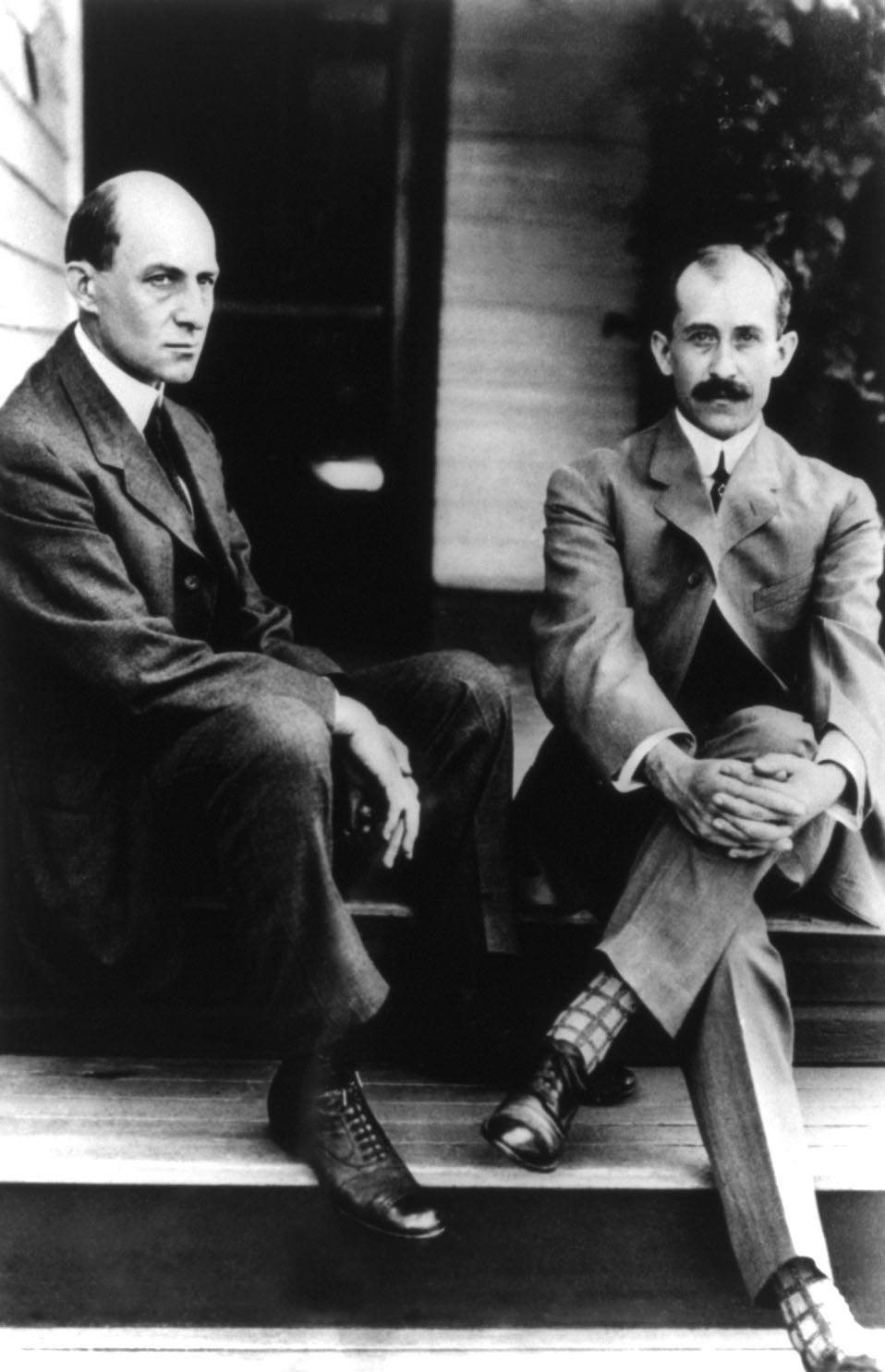
| The Wright Brothers Orville (Left): August 19, 1871 - January 30, 1948 Wilbur (Right): April 16, 1867 - May 30, 1912 Were two American brothers, inventors, and aviation pioneers who were credited with inventing and building the world's first successful airplane and making the first controlled, powered and sustained heavier-than-air human flight, on December 17, 1903. From 1905 to 1907, the brothers developed their flying machine into the first practical fixed-wing aircraft. Although not the first to build and fly experimental aircraft, the Wright brothers were the first to invent aircraft controls that made fixed-wing powered flight possible. |
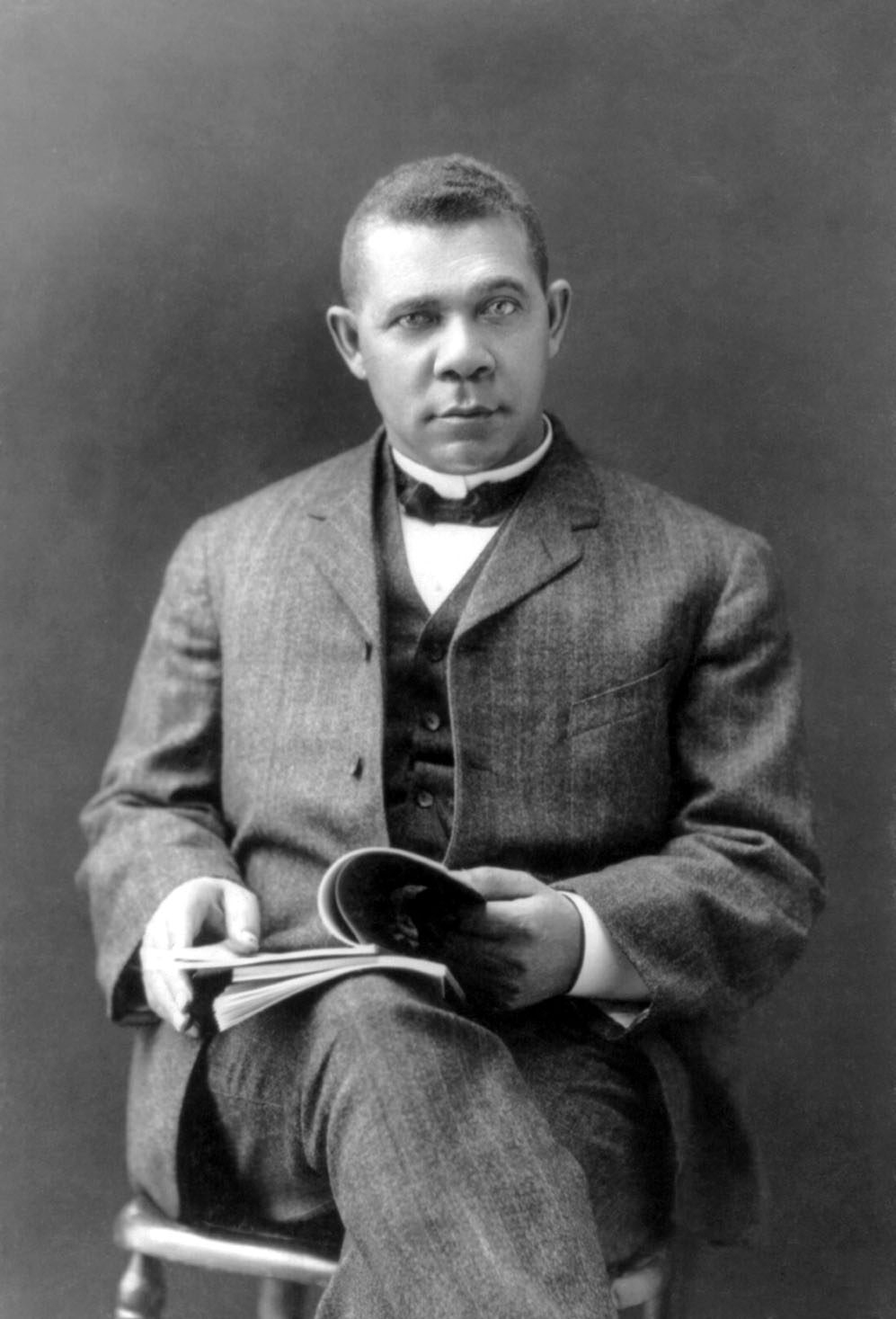
| Booker T. Washington April 5, 1856 - November 14, 1915 Was an African-American educator, author, orator, and advisor to presidents of the United States. Between 1890 and 1915, Washington was the dominant leader in the US African-American community. Washington was of the last generation of black American leaders born into slavery, who became the leading voice of the disfranchised former slaves newly oppressed by the discriminatory laws enacted in the post reconstruction Southern US states in the late 19th and early 20th centuries. Booker T. Washington understood the nuances of the political arena in late 19th century United States which helped him to manipulate the media, raise money, strategize, network, pressure, reward friends and grease palms while punishing those who stood in the way of ending the disfranchisement of the majority of African Americans living in southern US states. |
| FAMOUS & INFAMOUS AMERICANS |
| ABOUT THESE PHOTOS: These Photos Have Been Restored to Their Original Brillance by the SteelCactus Foundation. |

Photo Antiquities Museum of Pittsburg
| 531 East Ohio Street Pittsburgh, PA 15212 (412) 231-7881 |
| THE ONLY MUSEUM LIKE IT IN THE U.S.! |
See photos like this in their original form!
Plus the largest collection of cameras anywhere!
Plus the largest collection of cameras anywhere!


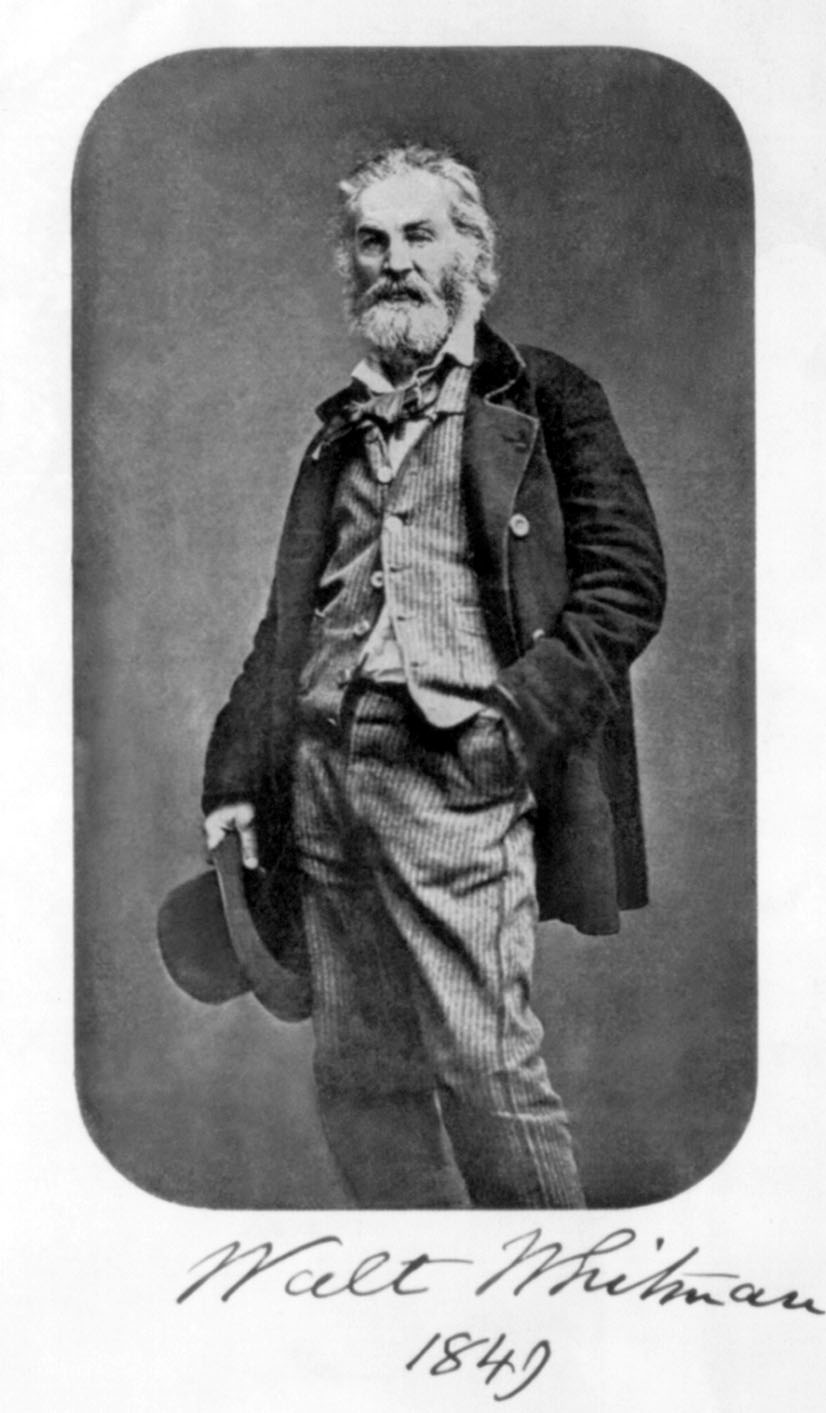
| Walt Whitman May 31, 1819 - March 26, 1892 Was an American poet, essayist and journalist. A humanist, he was a part of the transition between transcendentalism and realism, incorporating both views in his works. Whitman is among the most influential poets in the American canon, often called the father of free verse. His work was very controversial in its time, particularly his poetry collection Leaves of Grass, which was described as obscene for its overt sexuality. |