

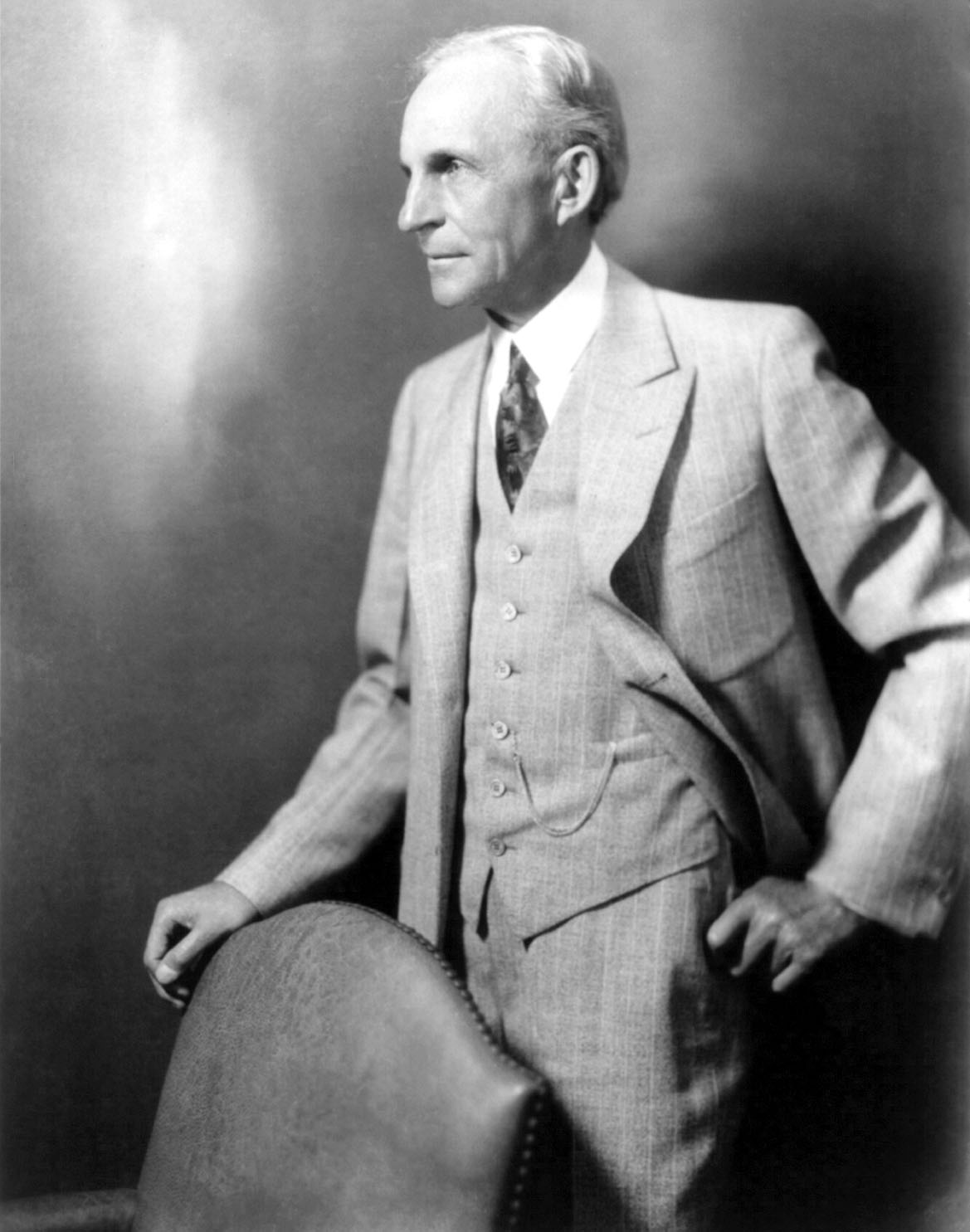
| Henry Ford July 30, 1863 - April 7, 1947 Was an American industrialist, the founder of the Ford Motor Company, and sponsor of the development of the assembly line technique of mass production. Although Ford did not invent the automobile, he developed and manufactured the first automobile that many middle class Americans could afford to buy. His introduction of the Model T automobile revolutionized transportation and American industry. As owner of the Ford Motor Company, he became one of the richest and best-known people in the world. He is credited with "Fordism": mass production of inexpensive goods coupled with high wages for workers. Ford had a global vision, with consumerism as the key to peace. His intense commitment to systematically lowering costs resulted in many technical and business innovations, including a franchise system that put dealerships throughout most of North America and in major cities on six continents. Ford left most of his vast wealth to the Ford Foundation but arranged for his family to control the company permanently. |
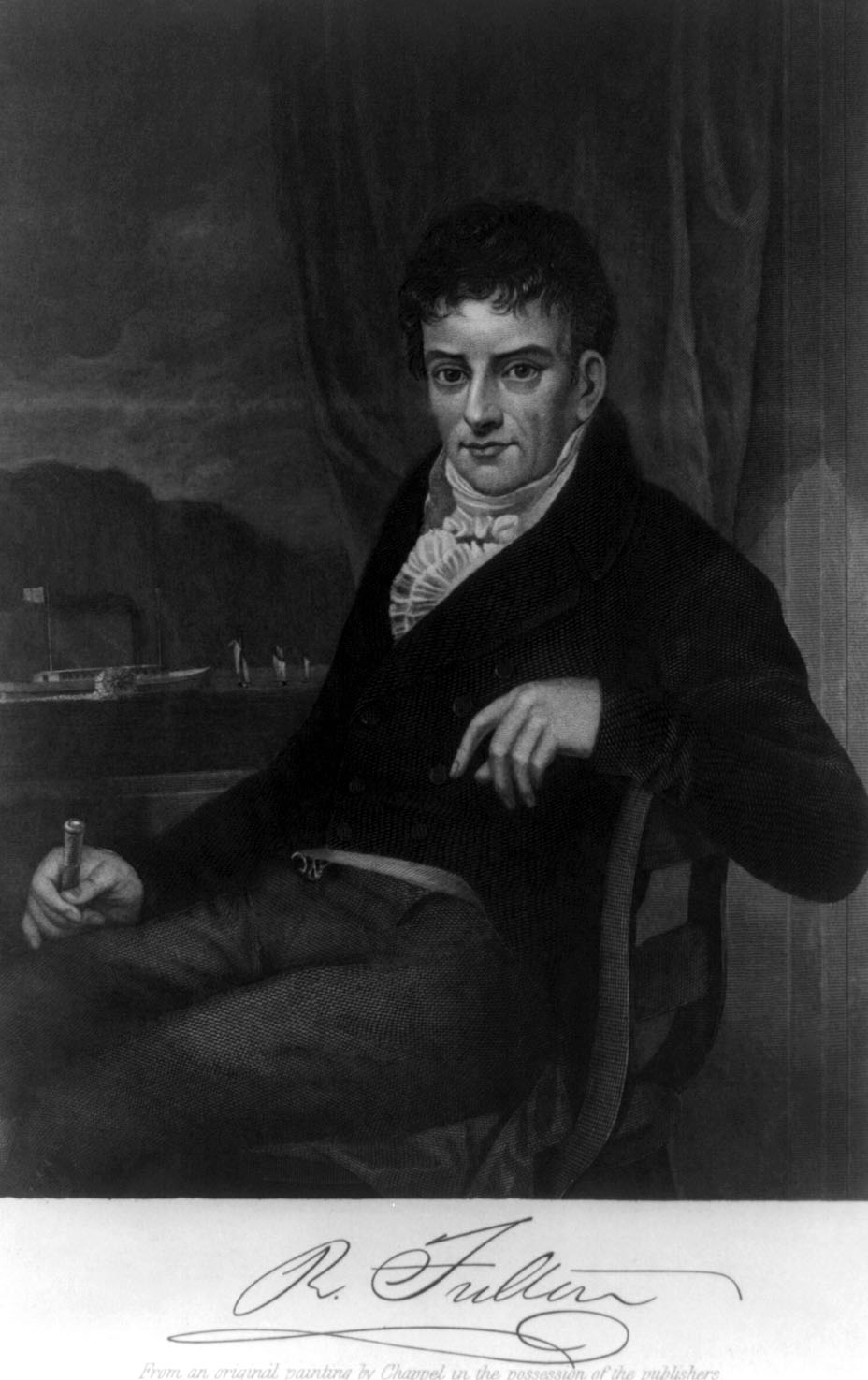
| Robert Fulton November 14, 1765 - February 24, 1815 Was an American engineer and inventor who is widely credited with developing the first commercially successful steamboat. In 1800, he was commissioned by Napoleon Bonaparte to design the Nautilus, which was the first practical submarine in history. He is also credited with inventing some of the world's earliest naval torpedoes for use by the British Navy. Fulton became interested in steamboats in 1777 when he visited William Henry of Lancaster, Pennsylvania, who had earlier learned about James Watt's steam engine on a visit to England. |
| FAMOUS & INFAMOUS AMERICANS |

| ABOUT THESE PHOTOS: These Photos Have Been Restored to Their Original Brillance by the SteelCactus Foundation. |

Photo Antiquities Museum of Pittsburg
| 531 East Ohio Street Pittsburgh, PA 15212 (412) 231-7881 |
| THE ONLY MUSEUM LIKE IT IN THE U.S.! |
See photos like this in their original form!
Plus the largest collection of cameras anywhere!
Plus the largest collection of cameras anywhere!


| Greta Garbo September 18, 1905 - April 15,1990 Born as Greta Lovisa Gustafsson Was a film actress and an international star and icon during Hollywood's silent and classic periods. Many of her films were sensational hits, and all but three of her twenty-four Hollywood films were profitable. Garbo was nominated four times for an Academy Award and received an honorary one in 1954 for her "luminous and unforgettable screen performances". She also won the New York Film Critics Circle Award for Best Actress for both Anna Karenina (1935) and Camille (1936). In 1999, the American Film Institute ranked Garbo fifth on their list of greatest female stars of all time, after Katharine Hepburn, Bette Davis, Audrey Hepburn, and Ingrid Bergman. |
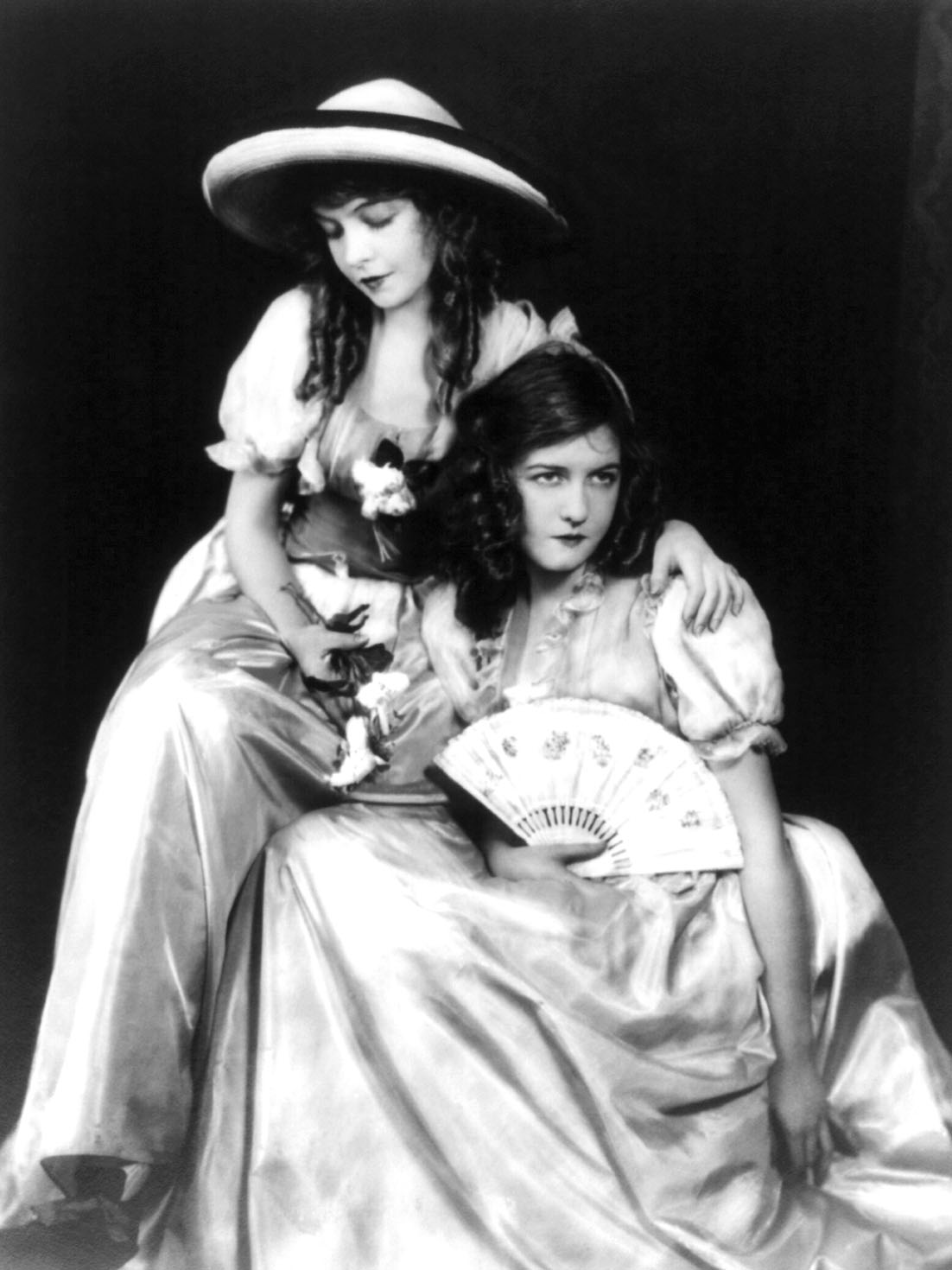
| Dorothy & Lillian Gish Lillian Diana Gish (October 14, 1893 - February 27, 1993) Was an American stage, screen and television actress whose film acting career spanned 75 years, from 1912 to 1987. She was called "The First Lady of American Cinema". She was a prominent film star of the 1910s and 1920s, particularly associated with the films of director D. W. Griffith, including her leading role in Griffith's seminal Birth of a Nation (1915). Her sound-era film appearances were sporadic, but included memorable roles in the controversial western Duel in the Sun (1946) and the offbeat thriller Night of the Hunter (1955). She did considerable television work from the early 1950s into the 1980s, and closed her career playing, for the first time, opposite Bette Davis in the 1987 film The Whales of August. Dorothy Elizabeth Gish (March 11, 1898 - June 4, 1968) Was an American actress, and the younger sister of actress Lillian Gish. Gish was born in Dayton, Ohio. She had an older sister, Lillian. The Gish sisters' mother, Mary Robinson McConnell "Gish", supported the family after her husband, James Leigh Gish, abandoned the family. When they were old enough, Dorothy and Lillian were brought into their mother's act, and they also modeled. In 1912, their childhood friend, actress Mary Pickford, introduced them to director D.W. Griffith, and the sisters began acting at the Biograph Studios. Dorothy and Lillian Gish both debuted in Griffith's An Unseen Enemy. Dorothy would go on to star in over 100 short films and features, many of them with Lillian. |
| Horace Greeley February 3, 1811 - November 29, 1872 Was an American newspaper editor, a founder of the Liberal Republican Party, a reformer, a politician, and an outspoken opponent of slavery. The New York Tribune (which he founded and edited) was America's most influential newspaper from the 1840s to the 1870s and "established Greeley's reputation as the greatest editor of his day." Greeley used it to promote the Whig and Republican parties, as well as opposition to slavery and a host of reforms ranging from vegetarianism to socialism. Crusading against the corruption of Ulysses S. Grant's Republican administration, he was the new Liberal Republican Party's candidate in the 1872 U.S. presidential election. Despite having the additional support of the Democratic Party, he lost in a landslide. He is the only presidential candidate to have died prior to the counting of electoral votes. Greeley supported liberal policies towards settlers; in a July 13, 1865 editorial, he famously advised: "Go West, young man, go West and grow up with the country." |