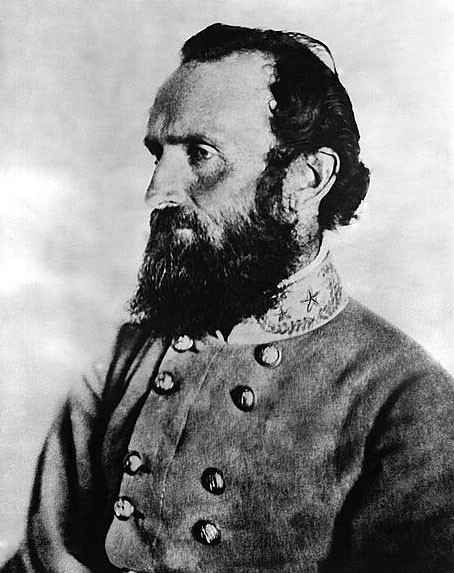
| Stonewall Jackson Thomas Jonathan "Stonewall" Jackson January 21, 1824 – May 10, 1863 Was a Confederate general during the American Civil War, and one of the best-known Confederate commanders after General Robert E. Lee. His military career includes the Valley Campaign of 1862 and his service as a corps commander in the Army of Northern Virginia under Robert E. Lee. Confederate pickets accidentally shot him at the Battle of Chancellorsville on May 2, 1863. The general survived with the loss of an arm to amputation, but died of complications from pneumonia eight days later. His death was a severe setback for the Confederacy, affecting not only its military prospects, but also the morale of its army and of the general public. Jackson in death became an icon of Southern heroism and commitment, joining Lee in the pantheon of the "Lost Cause". |
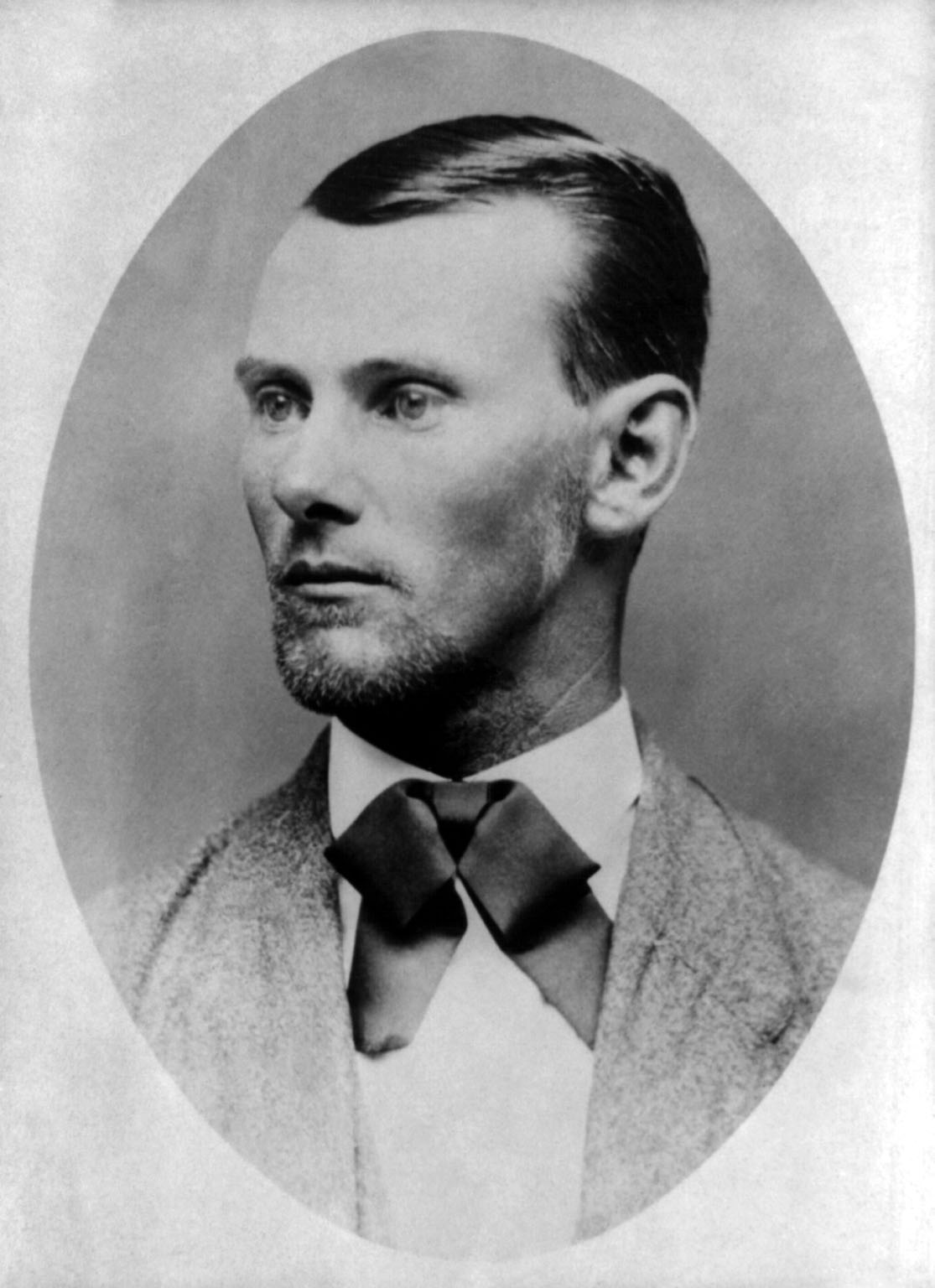
| Jesse James September 5, 1847 – April 3, 1882 Was an American outlaw, gang leader, bank robber, train robber, and murderer from the state of Missouri and the most famous member of the James-Younger Gang. Already a celebrity when he was alive, he became a legendary figure of the Wild West after his death. Some recent scholars place him in the context of regional insurgencies of ex-Confederates following the American Civil War rather than a manifestation of frontier lawlessness or alleged economic justice. Jesse and his brother Frank James were Confederate guerrillas during the Civil War. They were accused of participating in atrocities committed against Union soldiers. After the war, as members of one gang or another, they robbed banks, stagecoaches and trains. Despite popular portrayals of James as a kind of Robin Hood, robbing from the rich and giving to the poor, there is no evidence that he and his gang used their robbery gains for anyone but themselves. |
| FAMOUS & INFAMOUS AMERICANS |

| ABOUT THESE PHOTOS: These Photos Have Been Restored to Their Original Brillance by the SteelCactus Foundation. |

Photo Antiquities Museum of Pittsburg
| 531 East Ohio Street Pittsburgh, PA 15212 (412) 231-7881 |
| THE ONLY MUSEUM LIKE IT IN THE U.S.! |
See photos like this in their original form!
Plus the largest collection of cameras anywhere!
Plus the largest collection of cameras anywhere!


| Mother Jones Mary Harris "Mother" Jones July 1837 – November 30, 1930 Was an Irish-American schoolteacher and dressmaker who became a prominent labor and community organizer. She then helped coordinate major strikes and cofounded the Industrial Workers of the World. Jones worked as a teacher and dressmaker, but after her husband and four children all died of yellow fever and her workshop was destroyed in a fire in 1871, she began working as an organizer for the Knights of Labor and the United Mine Workers union. From 1897, at around 60 years of age, she was known as Mother Jones. In 1902 she was called "the most dangerous woman in America" for her success in organizing mine workers and their families against the mine owners. In 1903, upset about the lax enforcement of the child labor laws in the Pennsylvania mines and silk mills, she organized a Children's March from Philadelphia to the home of then president Theodore Roosevelt in New York. Mother Jones magazine, established in 1970, is named for her. |
| Helen Keller June 27, 1880 – June 1, 1968 Was an American author, political activist, and lecturer. She was the first deafblind person to earn a Bachelor of Arts degree. The story of how Keller's teacher, Anne Sullivan, broke through the isolation imposed by a near complete lack of language, allowing the girl to blossom as she learned to communicate, has become widely known through the dramatic depictions of the play and film The Miracle Worker. Her birthday on June 27 is commemorated as Helen Keller Day in the U.S. state of Pennsylvania and was authorized at the federal level by presidential proclamation by President Jimmy Carter in 1980, her 100th birthday. A prolific author, Keller was well-travelled and outspoken in her convictions. A member of the Socialist Party of America and the Industrial Workers of the World, she campaigned for women's suffrage, labor rights, socialism, and other radical left causes. She was inducted into the Alabama Women's Hall of Fame in 1971. |
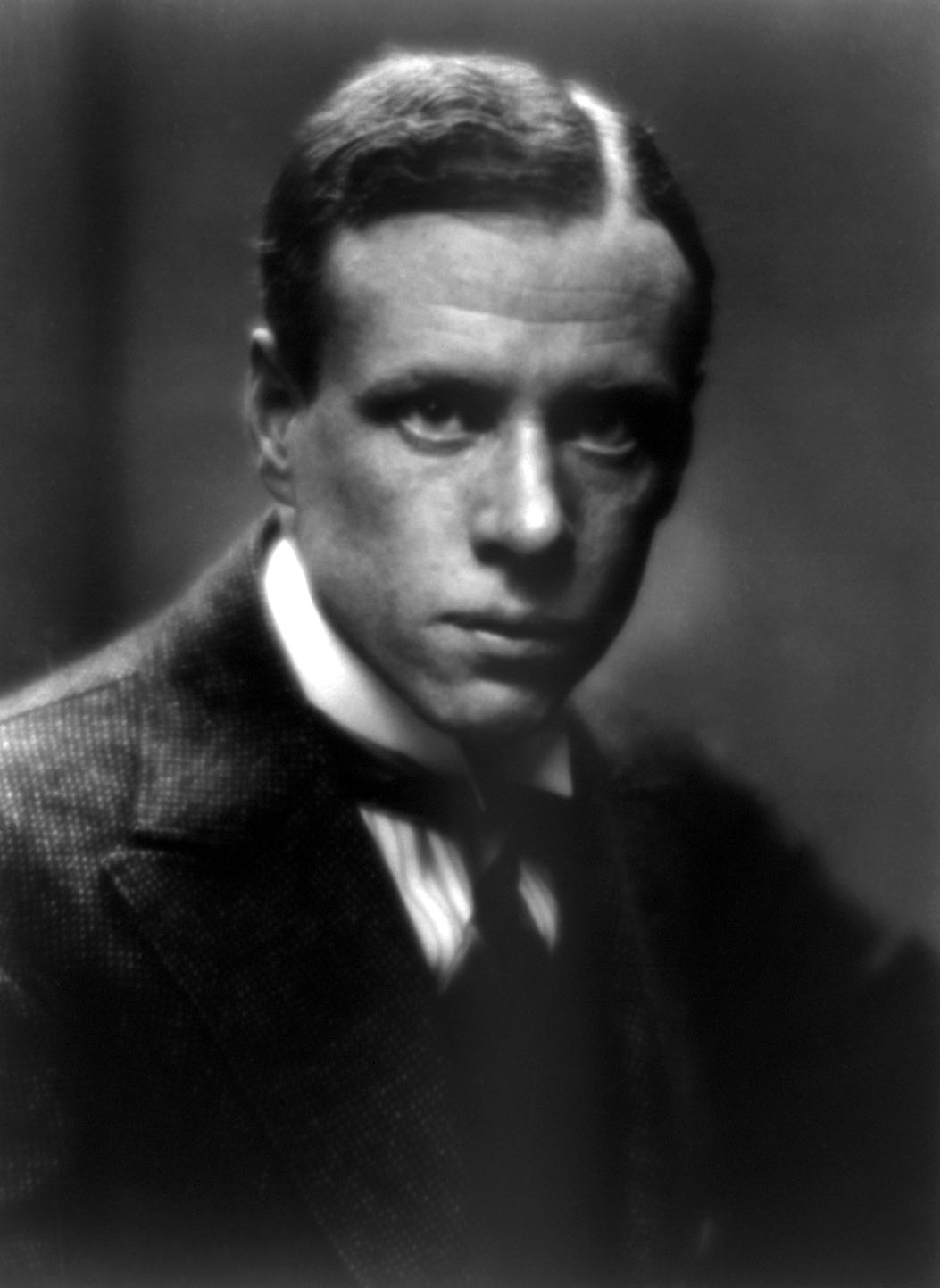
| Sinclair Lewis Harry Sinclair Lewis February 7, 1885 – January 10, 1951 Was an American novelist, short-story writer, and playwright. In 1930, he became the first writer from the United States to be awarded the Nobel Prize in Literature, "for his vigorous and graphic art of description and his ability to create, with wit and humor, new types of characters." His works are known for their insightful and critical views of American society and capitalist values, as well as for their strong characterizations of modern working women. He has been honored by the U.S. Postal Service with a Great Americans series postage stamp. |