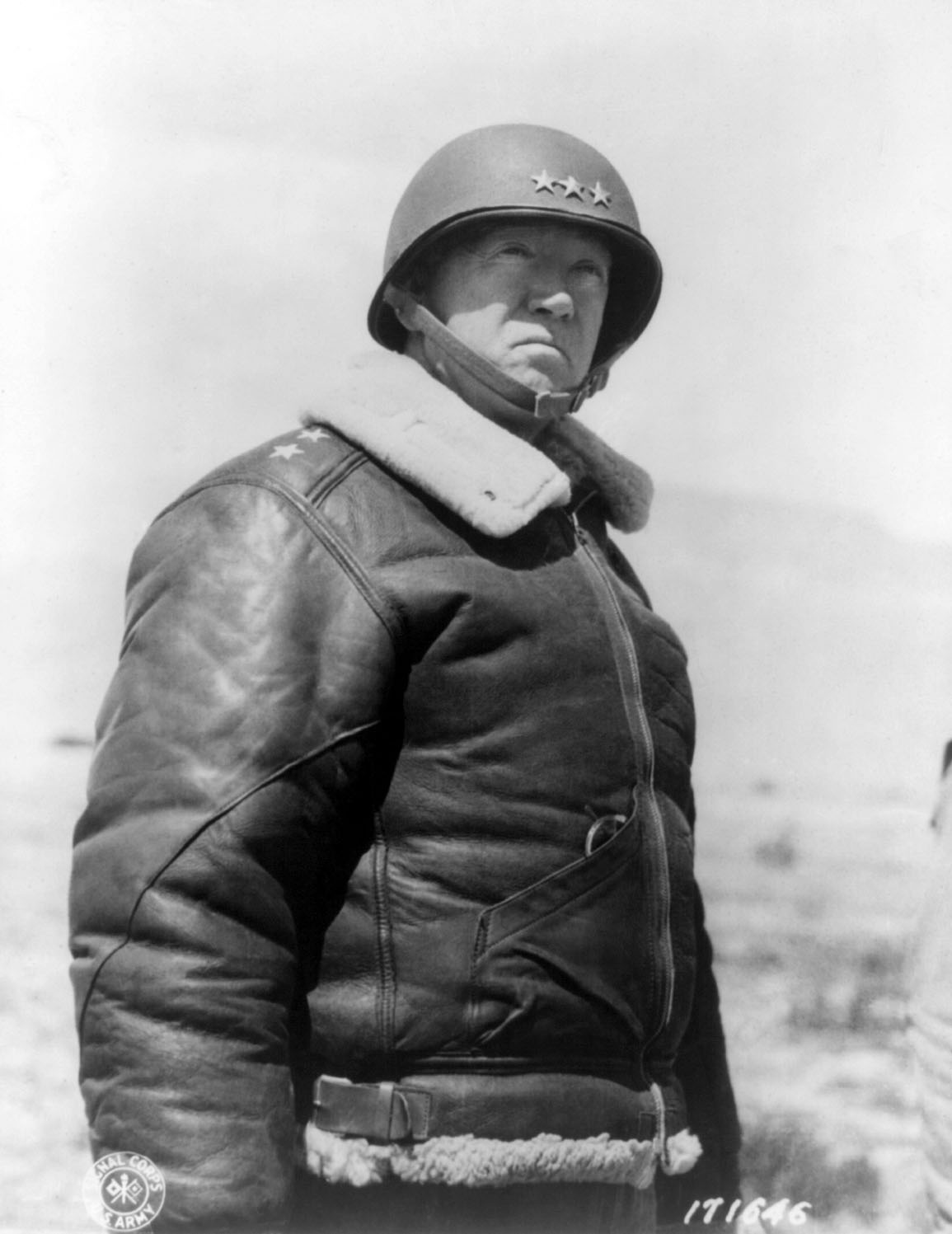
| George S. Patton November 11, 1885 – December 21, 1945 Was a general in the United States Army best known for his command of the Seventh United States Army, and later the Third United States Army, in the European Theater of World War II. Patton's colorful image, hard-driving personality and success as a commander were at times overshadowed by his politically inept statements in the press. But his philosophy of leading from the front and his ability to inspire his troops with vulgarity-ridden speeches, such as a famous address to the Third Army, led to new leadership philosophies in the U.S. officer corps. His strong emphasis on rapid and aggressive offensive action led to new strategies in combined arms warfare. While Allied leaders held differing opinions on Patton, he was regarded highly by his opponents in the German High Command. A popular, award-winning biographical film released in 1970 helped transform Patton into an American folk hero. |
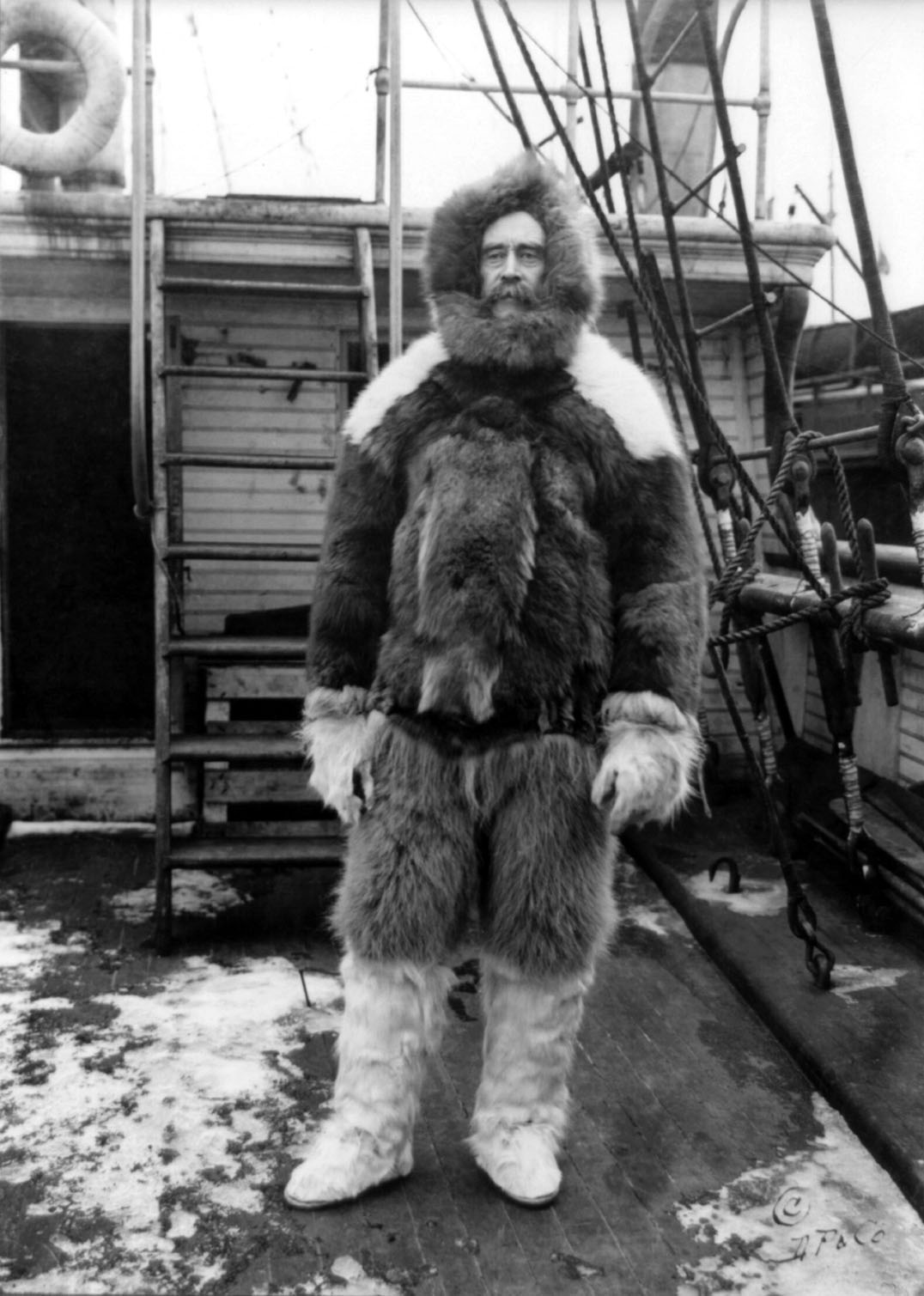
| Robert Peary May 6, 1856 – February 20, 1920 Was an American explorer who claimed to have led the first expedition, on April 6, 1909, to reach the geographic North Pole. Peary's claim was widely credited for most of the 20th century, rather than the competing claim by Frederick Cook who said he got there a year earlier. Both claims were widely debated in newspapers until 1913; modern historians generally think Cook did not reach the pole, and there are grave doubts that Peary did, though he may have been as close as 5 miles (8 km). The first undisputed explorers to walk on the North Pole ice arrived decades later. |
| FAMOUS & INFAMOUS AMERICANS |

| ABOUT THESE PHOTOS: These Photos Have Been Restored to Their Original Brillance by the SteelCactus Foundation. |

Photo Antiquities Museum of Pittsburg
| 531 East Ohio Street Pittsburgh, PA 15212 (412) 231-7881 |
| THE ONLY MUSEUM LIKE IT IN THE U.S.! |
See photos like this in their original form!
Plus the largest collection of cameras anywhere!
Plus the largest collection of cameras anywhere!


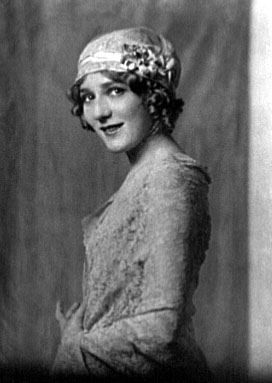
| Mary Pickford April 8, 1892 – May 29, 1979 Was a Canadian-American motion picture actress, co-founder of the film studio United Artists and one of the original 36 founders of the Academy of Motion Picture Arts and Sciences. Known as "America's Sweetheart," "Little Mary" and "The girl with the curls,"she was one of the Canadian pioneers in early Hollywood and a significant figure in the development of film acting. Because her international fame was triggered by moving images, she is a watershed figure in the history of modern celebrity and, as one of silent film's most important performers and producers, her contract demands were central to shaping the Hollywood industry. In consideration of her contributions to American cinema, the American Film Institute named Pickford 24th among the greatest female stars of all time. |
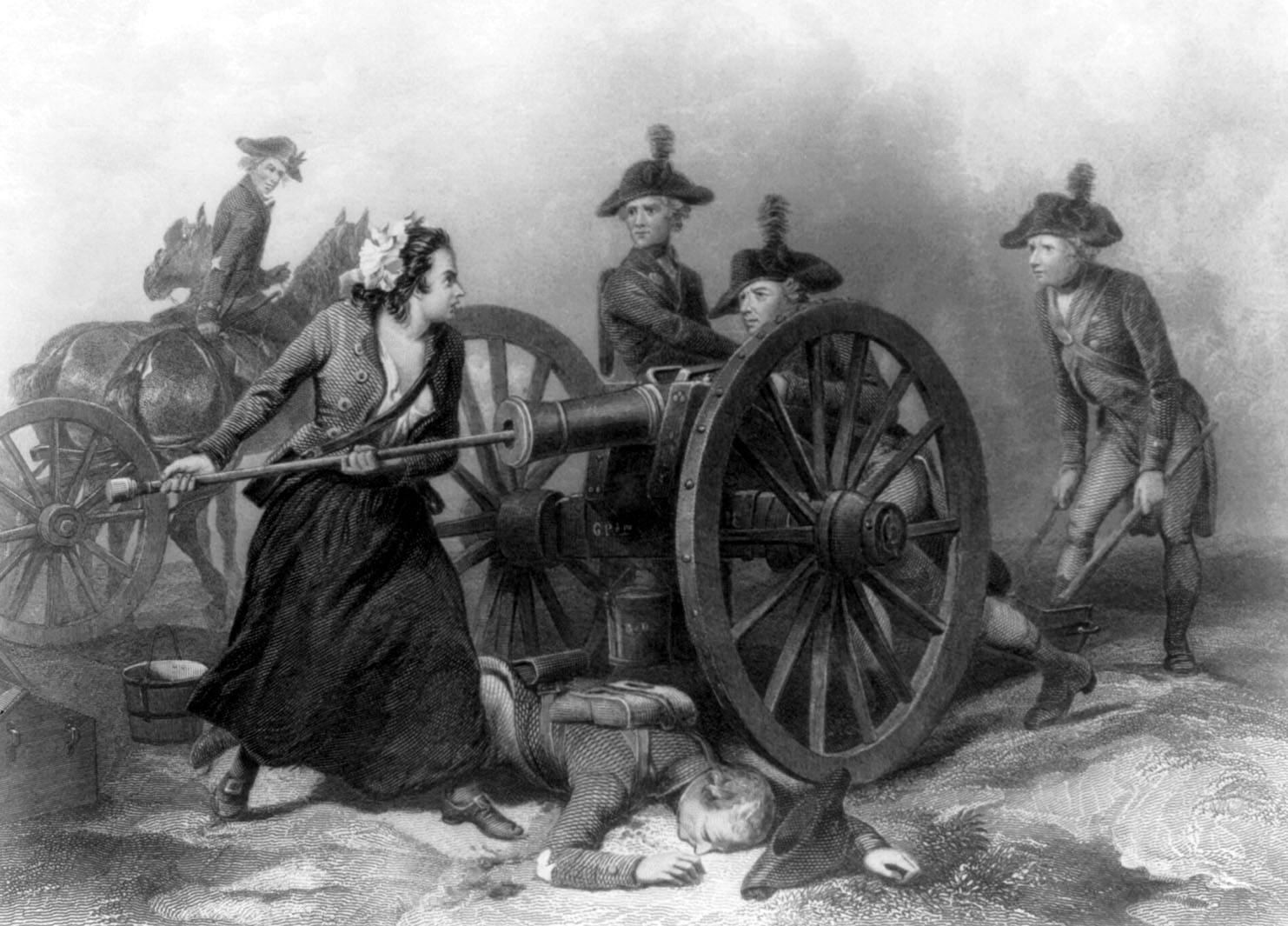
| Molly Pitcher 1744-1832 Was a nickname given to a woman said to have fought in the American Battle of Monmouth, who is generally believed to have been Mary Ludwig Hays McCauley. Since various Molly Pitcher tales grew in the telling, many historians regard Molly Pitcher as folklore rather than history, or suggest that Molly Pitcher may be a composite image inspired by the actions of a number of real women. The name itself may have originated as a nickname given to women who carried water to men on the battlefield during the war. Army base, Fort Bragg holds an annual event called "Molly Pitcher Day" showcasing weapon systems for family members, Airborne Operations, and Field Artillery. |
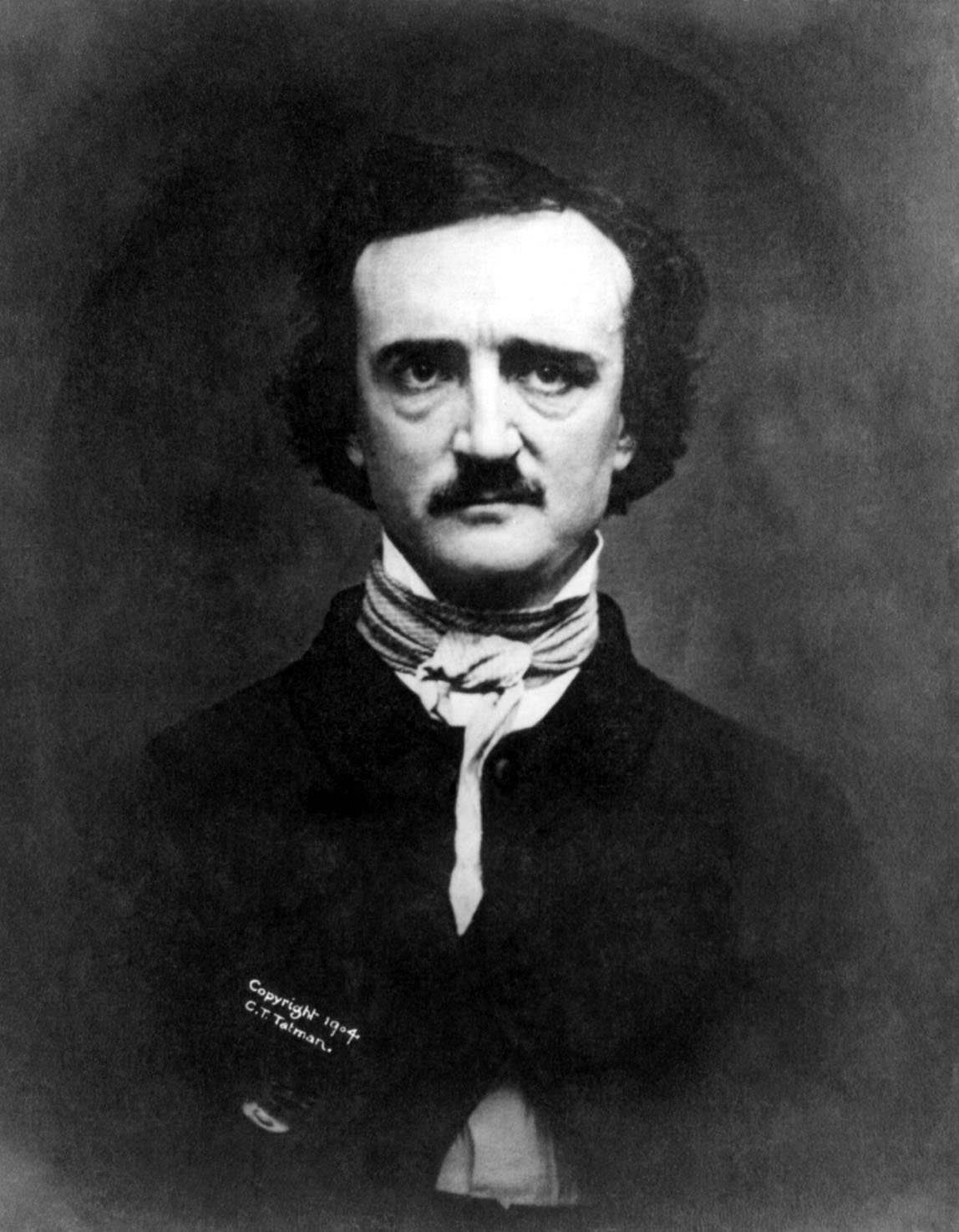
| Edgar Allen Poe January 19, 1809 – October 7, 1849 Was an American author, poet, editor, and literary critic, considered part of the American Romantic Movement. Best known for his tales of mystery and the macabre, Poe was one of the earliest American practitioners of the short story and is generally considered the inventor of the detective fiction genre. He is further credited with contributing to the emerging genre of science fiction. He was the first well-known American writer to try to earn a living through writing alone, resulting in a financially difficult life and career. |