

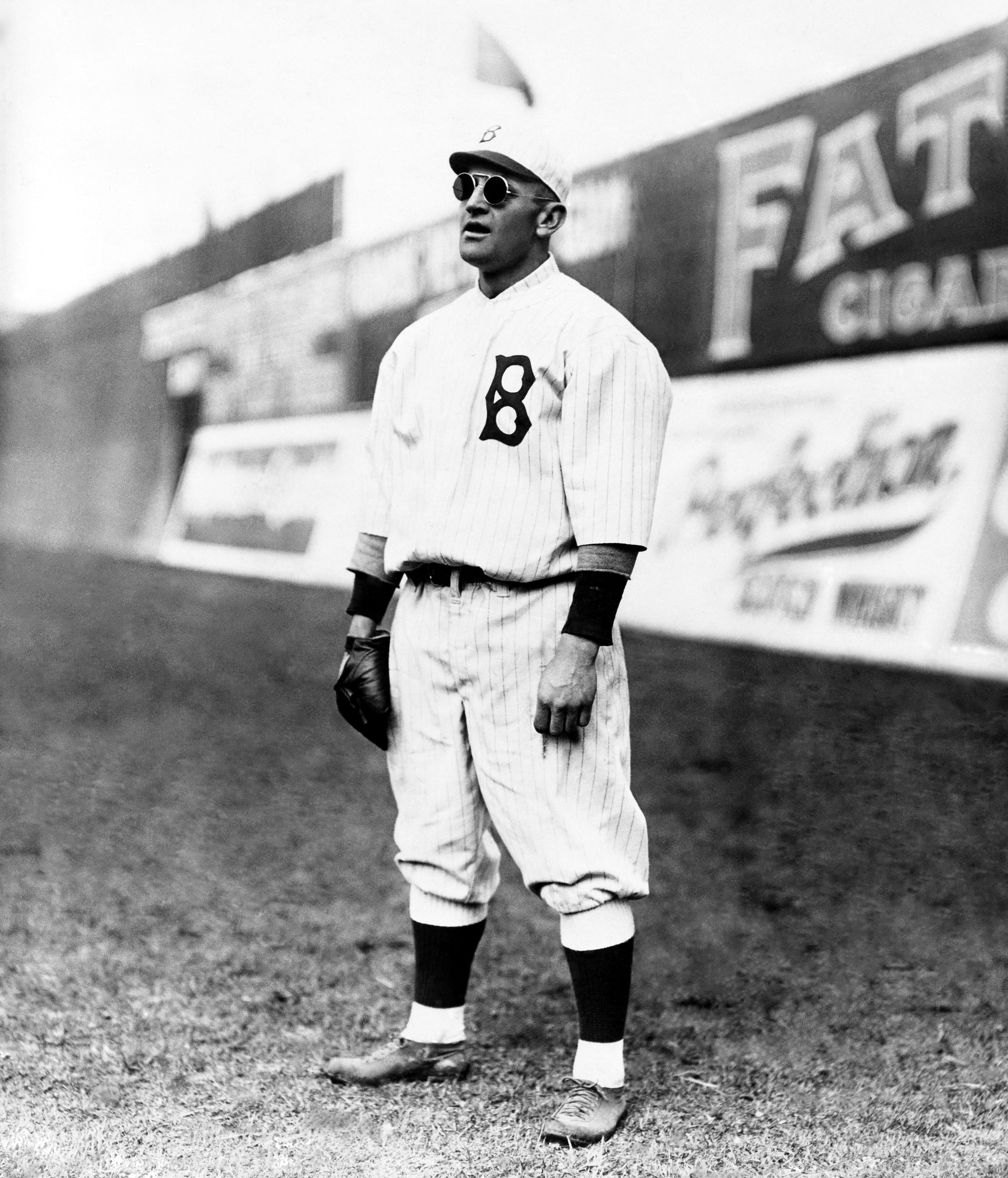
| Casey Stengel Charles Dillon "Casey" Stengel July 30, 1890 – September 29, 1975 Nicknamed "The Old Perfessor" Was an American Major League Baseball outfielder and manager. He was elected to the Baseball Hall of Fame in 1966. Although his baseball career spanned a number of teams and cities, he is primarily associated with clubs in New York City. Between playing and managing, he is the only man to have worn four of New York's major league clubs' uniforms. He was the first of four men (through the 2012 season) to manage both the New York Yankees and New York Mets; Yogi Berra, Dallas Green, and Joe Torre are the others. Like Torre, he also managed the Braves and the Dodgers. He ended his baseball career as the beloved manager for the then expansion New York Mets, which won over the hearts of New York partly due to the unique character of their veteran leader. |
| Molly Rush Born October 23, 1935 On September 9, 1980, Molly Rush, a mother of six and grandmother of nine, Daniel Berrigan, his brother Philip Berrigan, and five others (the "Plowshares Eight") began the Plowshares Movement under the premise of beating swords to ploughshares. They trespassed onto the General Electric Nuclear Missile facility in King of Prussia, Pennsylvania, where they damaged nuclear warhead nose cones and poured blood onto documents and files. They were arrested and charged with more than ten different felony and misdemeanor counts. On April 10, 1990, after 10 years of appeals, Molly and the rest of the Berrigans' group was re-sentenced and paroled for up to 23 and 1/2 months in consideration of time already served in prison. Their legal battle was re-created in Emile de Antonio's 1982 film In the King of Prussia, which starred Martin Sheen and featured appearances by the Plowshares Eight as themselves. Molly received the Distinguished Daughter of Pennsylvania in 2012. |
| William Tecumseh Sherman February 8, 1820 – February 14, 1891 Was an American soldier, businessman, educator and author. He served as a General in the Union Army during the American Civil War (1861–65), for which he received recognition for his outstanding command of military strategy as well as criticism for the harshness of the "scorched earth" policies that he implemented in conducting total war against the Confederate States. Military historian B. H. Liddell Hart famously declared that Sherman was "the first modern general". Sherman served under General Ulysses S. Grant in 1862 and 1863 during the campaigns that led to the fall of the Confederate stronghold of Vicksburg on the Mississippi River and culminated with the routing of the Confederate armies in the state of Tennessee. In 1864, Sherman succeeded Grant as the Union commander in the western theater of the war. He proceeded to lead his troops to the capture of the city of Atlanta, a military success that contributed to the re-election of President Abraham Lincoln. Sherman's subsequent march through Georgia and the Carolinas further undermined the Confederacy's ability to continue fighting. He accepted the surrender of all the Confederate armies in the Carolinas, Georgia, and Florida in April 1865. |
| FAMOUS & INFAMOUS AMERICANS |

| ABOUT THESE PHOTOS: These Photos Have Been Restored to Their Original Brillance by the SteelCactus Foundation. |

Photo Antiquities Museum of Pittsburg
| 531 East Ohio Street Pittsburgh, PA 15212 (412) 231-7881 |
| THE ONLY MUSEUM LIKE IT IN THE U.S.! |
See photos like this in their original form!
Plus the largest collection of cameras anywhere!
Plus the largest collection of cameras anywhere!


| Sitting Bull Circa 1831 – December 15, 1890 Lakota: Tȟatȟáŋka �yotake in Standard Lakota Orthography also nicknamed Slon-he or "Slow" Was a Hunkpapa Lakota Sioux holy man who led his people as a tribal chief during years of resistance to United States government policies. He was killed by Indian agency police on the Standing Rock Indian Reservation during an attempt to arrest him at a time when authorities feared that he would join the Ghost Dance movement. Before the Battle of the Little Bighorn, Sitting Bull had a vision in which he saw the defeat of the 7th Cavalry under Lt. Col. George Armstrong Custer on June 25, 1876. Sitting Bull's leadership motivated his people to a major victory. Months after the battle, Sitting Bull and his group left the United States for Wood Mountain, Saskatchewan, where he remained until 1881, at which time he surrendered to U.S. forces. |
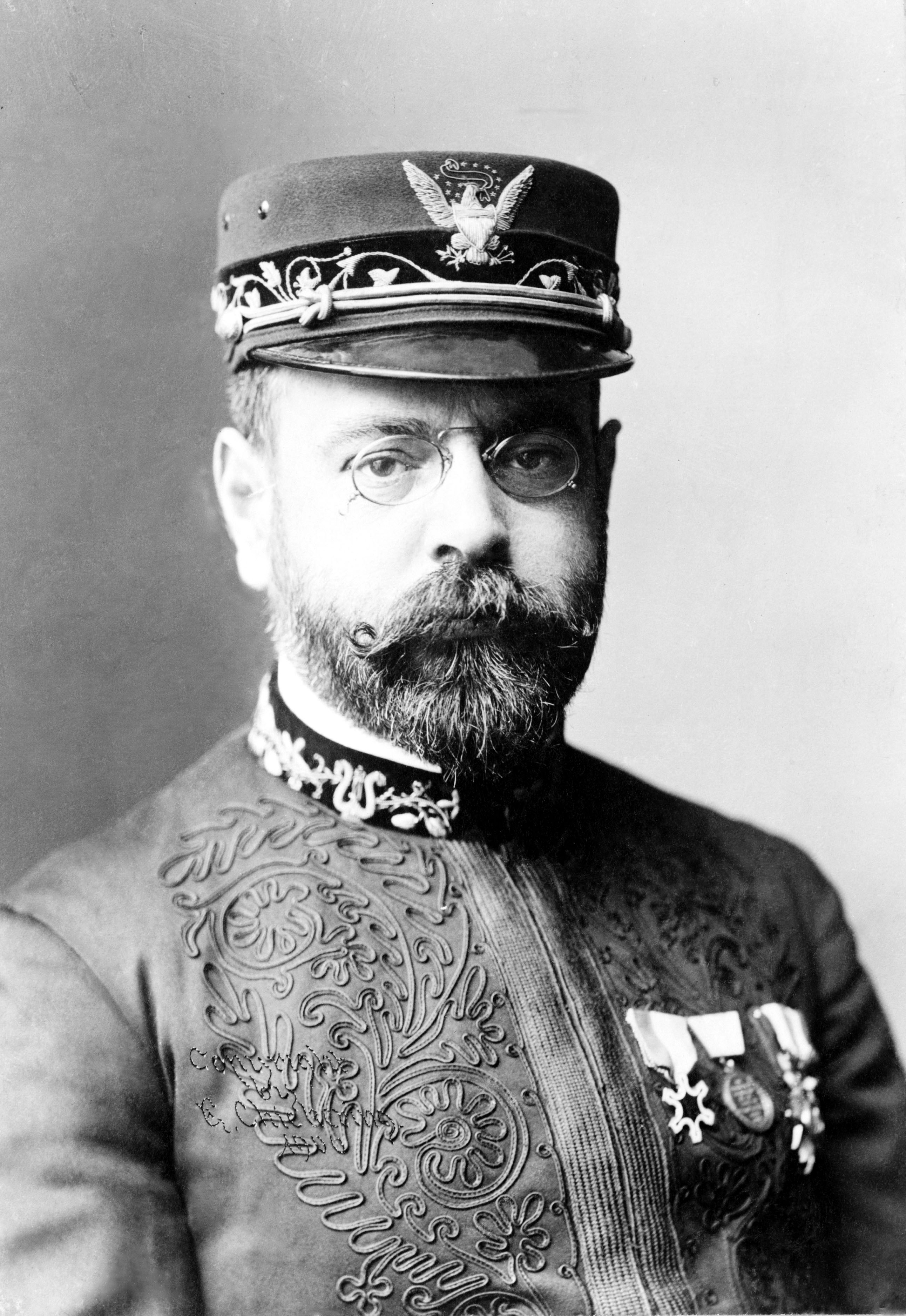
| John Philip Sousa November 6, 1854 – March 6, 1932 Was an American composer and conductor of the late Romantic era, known primarily for American military and patriotic marches. Because of his mastery of march composition, he is known as "The March King" or the "American March King" due to his British counterpart Kenneth J. Alford also being known as "The March King". Among his best-known marches are "The Washington Post", "Semper Fidelis" (Official March of the United States Marine Corps), and "The Stars and Stripes Forever" (National March of the United States of America). |


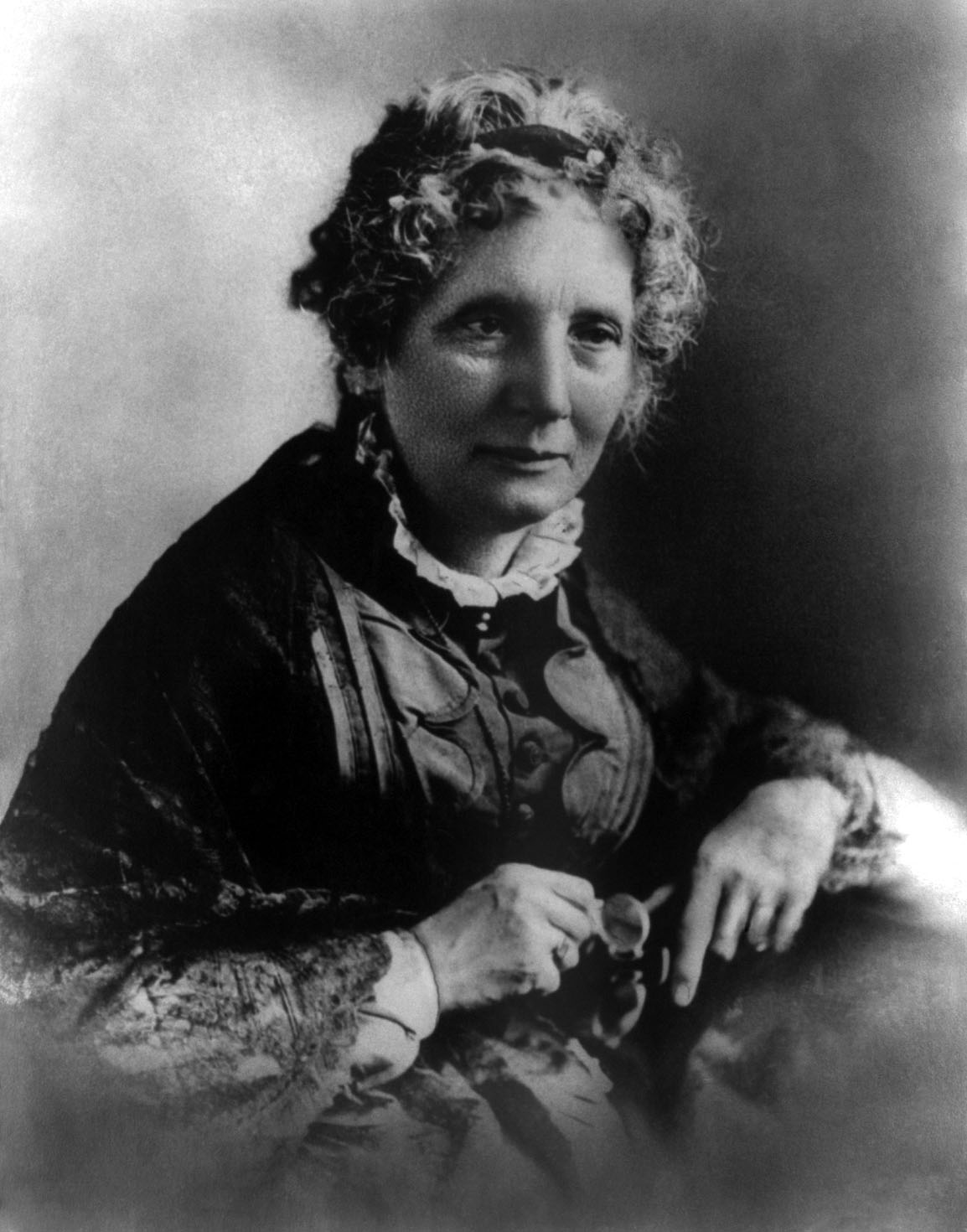
| Harriet Beecher Stowe June 14, 1811 – July 1, 1896 Was an American abolitionist and author. Her novel Uncle Tom's Cabin (1852) was a depiction of life for African-Americans under slavery; it reached millions as a novel and play, and became influential in the United States and United Kingdom. It energized anti- slavery forces in the American North, while provoking widespread anger in the South. She wrote more than 20 books, including novels, three travel memoirs, and collections of articles and letters. She was influential both for her writings and her public stands on social issues of the day. |