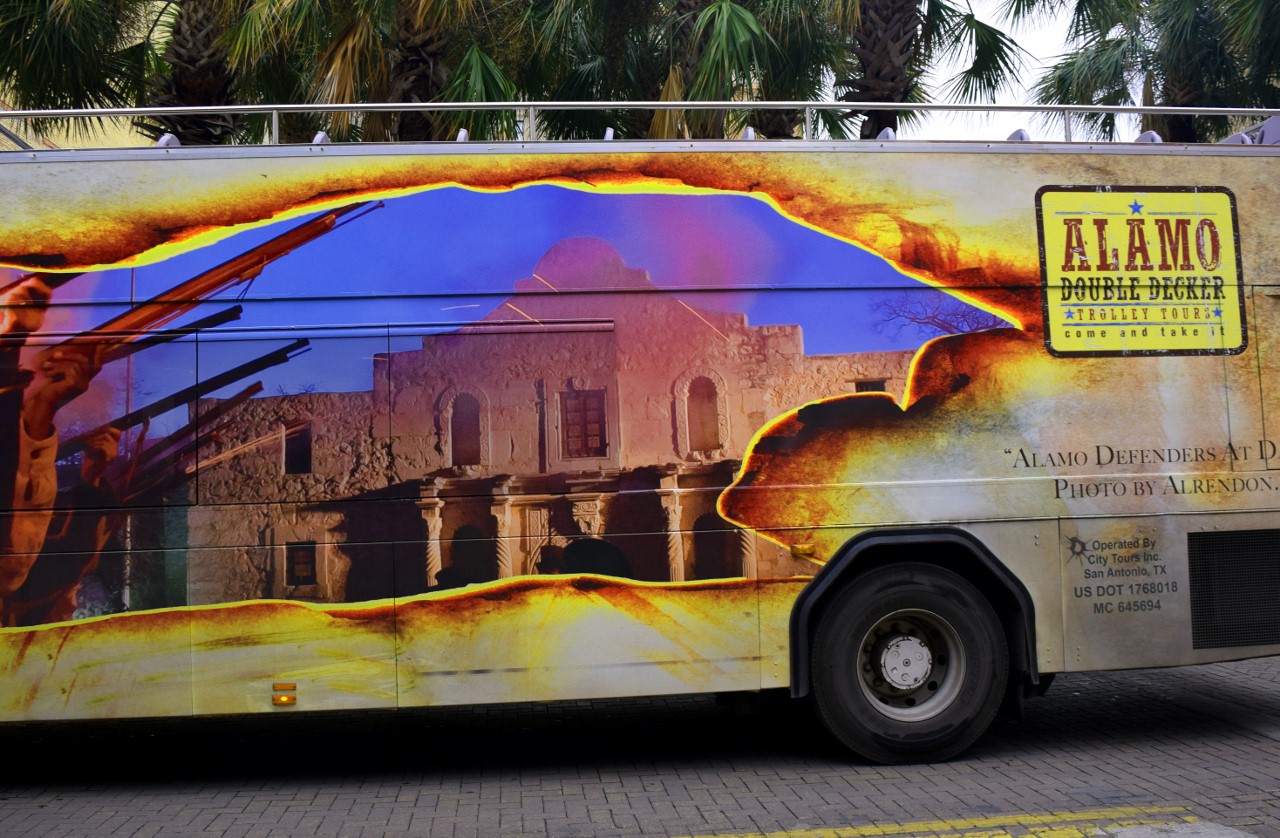

| SAN ANTONIO ~ HOW IT BEGAN At the time of European encounter, Payaya Indians lived near the San Antonio River Valley in the San Pedro Springs area, calling the vicinity Yanaguana, meaning "refreshing waters". In 1691, a group of Spanish Catholic explorers and missionaries came upon the river and Payaya settlement on June 13, the feast day of St. Anthony of Padua. They named the place and river "San Antonio" in his honor. It was years before any Spanish settlement took place. Father Antonio de Olivares visited the site in 1709, and he was determined to found a mission and civilian settlement there. The viceroy gave formal approval for a combined mission and presidio in late 1716, as he wanted to forestall any French expansion into the area from their colony of La Louisiane, as well as prevent illegal trading with the Payaya. He directed Martin de Alarcón, the governor of Coahuila and Texas, to establish the mission complex. Differences between Alarcón and Olivares resulted in delays, and construction did not start until 1718. Fray Antonio de Olivares built, with the help of the Payaya Indians, the Misión de San Antonio de Valero (The Alamo), the Presidio San Antonio de Bexar, the bridge that connected both, and the Acequia Madre de Valero. The families who clustered around the presidio and mission formed the beginnings of Villa de Béjar, destined to become the most important town in Spanish Texas. On May 1, the governor transferred ownership of the Mission San Antonio de Valero (later famous as the Alamo) to Fray Antonio de Olivares. On May 5, 1718 he commissioned the Presidio San Antonio de Béxar ("Béjar" in modern Spanish orthography) on the west side of the San Antonio River, one-fourth league from the mission. |
| SAN ANTONIO, TEXAS |

| All rights reserved. |


| MORE TRAVEL LINKS! |
| MISCELLANEOUS MESSAGES |